The Economic Importance of Rubber Trees
30/09/2026The rubber tree has long been hailed as the “white gold” of Vietnam’s agricultural sector. Not only does it generate substantial income, but the importance of the rubber tree is also clearly reflected in various aspects, ranging from economic and social development to the protection of a sustainable ecological environment.
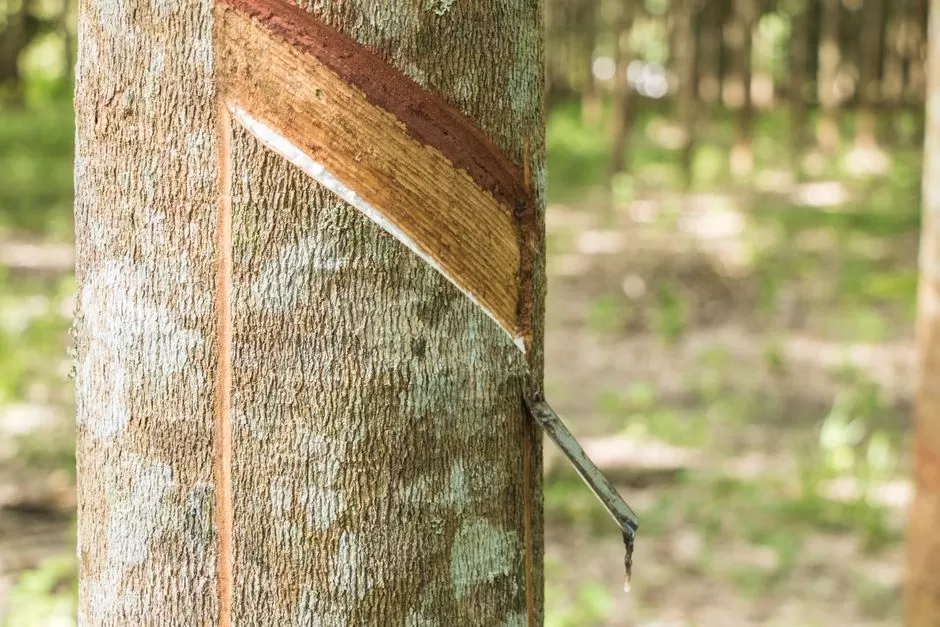
The Significant Contributions of the Rubber Tree to the Economy
The rubber industry plays a vital role as one of the key export pillars of the agricultural sector. Revenue generated from the export of raw natural rubber latex and value-added processed products contributes billions of US dollars annually to the national economy. The development of rubber plantations and rubber-producing corporations also helps expand international trade.
Economic Value of Natural Rubber Latex
Natural rubber latex is an indispensable raw material for numerous heavy and light manufacturing industries. Thanks to its high elasticity, flexibility, and superior durability, natural rubber latex is widely used in the production of tires, conveyor belts, mechanical components, and medical equipment. Achieving greater self-sufficiency in natural rubber supplies helps reduce import costs and enhance the competitiveness of domestic enterprises.
Significant Commercial Potential of Rubberwood
Beyond latex extraction, when rubber trees reach the end of their productive latex-yielding cycle (approximately 20 to 25 years), harvesting and selling rubberwood can generate substantial economic value. Rubberwood features a naturally light color, attractive grain patterns, and excellent workability, while also being an environmentally friendly material. Today, furniture products made from Vietnamese rubberwood are highly sought after in demanding markets such as the United States, Europe, Japan, and South Korea.
Job Creation and Improvement of Social Welfare
Beyond its financial value, the importance of the rubber tree is also closely linked to the goal of improving social welfare. In remote areas, border regions, and the Central Highlands, the development of rubber plantation projects has significantly transformed rural communities.
Hundreds of thousands of local workers, particularly ethnic minority communities, have gained stable employment and good monthly incomes. The rubber industry not only helps local residents escape poverty sustainably but also contributes to infrastructure development, including roads, schools, and healthcare facilities in major rubber-growing areas.
Positive Impacts on Environmental Protection and Ecology
Thanks to its vigorous growth, broad canopy, and deep root system, rubber plantations can serve as extensive green spaces. Maintaining large areas of rubber trees contributes to ecological balance in rural and mountainous regions.
Rubber trees can absorb significant amounts of carbon dioxide (CO₂) and release oxygen (O₂), helping mitigate the greenhouse effect and climate change. At the same time, their deep root systems help stabilize the soil, reduce the risk of landslides and soil erosion during the rainy season, and support groundwater retention, benefiting downstream areas.
Diverse Applications of Rubber Products in Everyday Life
Rubber materials are found everywhere around us, serving needs ranging from everyday essentials to complex high-tech industries.
In healthcare, natural rubber is used to manufacture sterile gloves and infusion tubing, helping protect public health. In the consumer goods sector, natural rubber mattresses remain a top choice thanks to their excellent body support and long-lasting durability. In addition, the automotive, aviation, and maritime industries all rely heavily on components made from this elastic material.
Promoting Green and Sustainable Development in the Rubber Industry
To further maximize the importance of the rubber tree in the modern era, sustainable development must be a key priority. Businesses and rubber growers are gradually transitioning toward sustainable forest management models that comply with international standards such as FSC.
At the same time, applying scientific and technological advances to cultivation, selecting high-yielding varieties, and modernizing latex processing will help improve product quality. Investing in deeper processing rather than exporting raw latex is the key to increasing the value of the supply chain of Vietnam’s rubber industry on the global stage.