Pros and Cons of Wood Materials in Interior Design
30/09/2026With countless choices available on the market today, understanding the advantages and disadvantages of different wood materials used in interior design is key to creating a living space that is both elegant and cost-effective. In this article, let’s take a closer look at each type of material and explore its unique characteristics.
Analysis of the Advantages and Disadvantages of Natural Wood in Interior Design
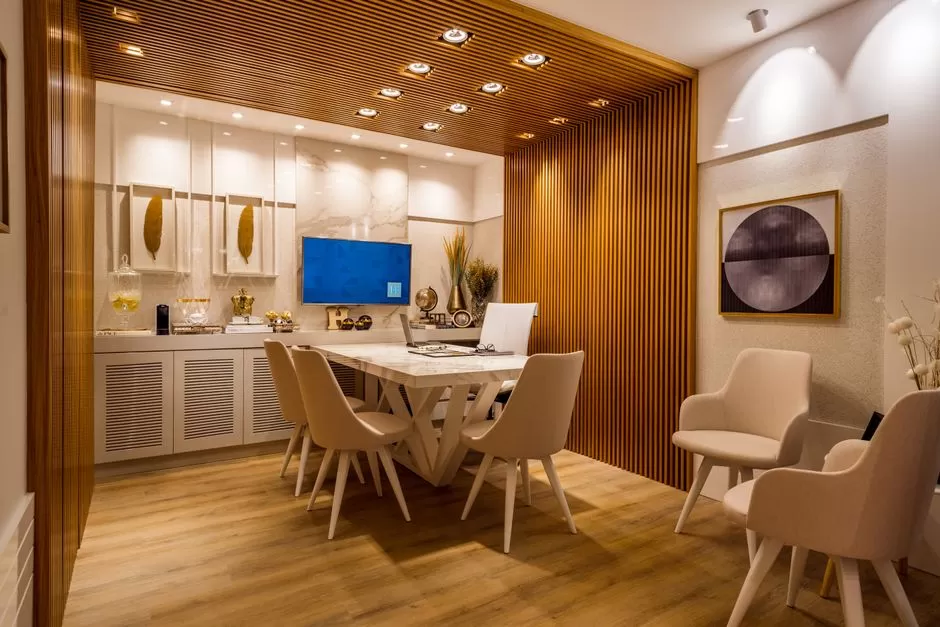
Natural wood has long established its prestigious position in the fields of architecture and interior design. Premium natural wood varieties such as walnut, oak, and cherry wood are always top choices for homeowners who appreciate timeless beauty.
Outstanding Advantages of Natural Wood
The greatest advantage of natural wood lies in its unique aesthetic appeal. Each piece of wood features a distinctive natural grain pattern, giving every product its own individual charm. In addition, its exceptional durability over time is another key benefit. Furniture made from American oak or imported walnut can last 20 to 50 years when properly maintained.
Furthermore, natural wood offers excellent resistance to mechanical stress. Its rustic yet elegant appearance, combined with its versatility in accommodating intricate carving techniques, makes it an ideal material for designs that are difficult to achieve with many engineered materials.
Disadvantages to Consider
Despite its many advantages, natural wood also has certain limitations. The initial investment in natural wood furniture is generally high, often costing several times more than furniture made from engineered wood. In addition, if the wood is not properly treated and kiln-dried to meet technical standards, it may warp, shrink, or become susceptible to termite infestation when weather conditions fluctuate.
A Detailed Review of Popular Engineered Wood Materials
The development of engineered wood has introduced an excellent alternative, meeting the needs of many Vietnamese families seeking modern interior furnishings at a much more affordable budget.
MDF, HDF, and MFC: Composition and Advantages
The most common engineered wood panels today include MDF, HDF, and MFC, which are often combined with surface finishes such as Melamine, Laminate, or Veneer. The greatest advantage of engineered wood materials is their resistance to warping and shrinking caused by weather changes. They also offer good termite resistance thanks to specialized additives used during the manufacturing process.
In addition, these materials come in an extensive range of designs, featuring hundreds of colors and sophisticated simulated wood-grain patterns. This variety allows architects to easily create diverse interior styles, ranging from minimalist to contemporary.
Limitations of Engineered Wood
However, engineered wood cannot match natural wood in terms of load-bearing strength and toughness. In particular, the core material generally has limited water resistance. If exposed to water for an extended period, it may swell and become permanently deformed. In addition, this material is not suitable for intricate decorative carving.
An Overview Comparison of Different Wood Materials for Interior Design
To provide a clearer understanding of the advantages and disadvantages of different wood materials used in interior design, the following table summarizes the key evaluation criteria in detail:
| Criteria | Natural Wood | Engineered Wood |
|---|---|---|
| Durability | 20–50 years or longer | 8–15 years |
| Aesthetics | Natural colors and elegant wood grain | A wide variety of colors and modern designs |
| Water Resistance | Good (when properly treated) | Moderate to low (except moisture-resistant green-core panels) |
| Cost | High to very high | Affordable and cost-effective |
| Workability | Suitable for intricate decorative carving | Primarily used for flat-surface designs |
Criteria for Choosing the Right Wood for Each Area of the Home
Each living space has its own environmental conditions and usage frequency. Therefore, selecting wood materials for interior furnishings requires careful consideration by homeowners.
For living room furniture, which represents the overall image and style of the home, natural wood such as walnut or oak is an excellent choice for creating an elegant focal point with coffee tables, TV stands, or sofas. Meanwhile, bedroom furniture is well suited to Melamine-faced MDF, thanks to its modern, youthful appearance and its ability to optimize space for wardrobes and beds.
For kitchen interiors, which are frequently exposed to heat and humidity, consider using moisture-resistant MDF for kitchen cabinets or combining it with natural wood that has been properly treated for water resistance.
Tips for Keeping Wooden Furniture Beautiful and Long-Lasting
Regardless of the wood material you choose, following proper care and maintenance practices can significantly extend the lifespan of your home furnishings.
Avoid placing wooden furniture in areas exposed to direct sunlight for extended periods, as this can cause the finish to fade and the surface to crack. Clean furniture regularly with a soft, damp cloth, and avoid pouring water directly onto it or using harsh cleaning agents. In addition, maintaining a balanced indoor humidity level can help minimize wood expansion and contraction.
Elevate Your Living Space with Smart Furniture Choices
Understanding the advantages and disadvantages of different wood materials used in interior design is an important first step toward making informed purchasing decisions. Depending on your aesthetic preferences, practical needs, and budget, you can create a harmonious combination of natural and engineered wood to achieve an elegant look while ensuring cost-effectiveness for your home.