Applications of Plywood in Interior Design and Its Durability
30/09/2026Plywood is becoming increasingly popular in modern residential construction thanks to its high versatility. So, how is plywood used in interior design, and how durable is it? Let’s take a closer look at its advantages, load-bearing capacity, and practical applications.
An Overview of Engineered Plywood in Modern Architecture
Plywood is a material made by bonding multiple thin layers of natural wood veneer together. These layers are bonded with specialized adhesives and pressed under high pressure and temperature. By arranging the wood grain in alternating perpendicular directions, plywood achieves superior structural stability.
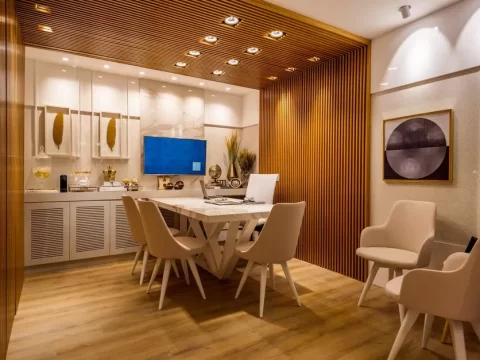
In modern architecture, plywood is no longer merely a supplementary material but has become a key design feature. A wide range of surface finishes, such as Melamine, Laminate, and Veneer, offers diverse aesthetic options, from rustic charm to sophisticated elegance. This versatility allows architects to create refined living spaces that cater to a variety of interior design styles.
Key Applications of Plywood in Interior Design
Thanks to its flexibility in bending and excellent load-bearing capacity, plywood is used in almost every corner of modern living spaces. Below are some of the most common applications of this versatile material.
1. Kitchen Cabinets and Decorative Shelving
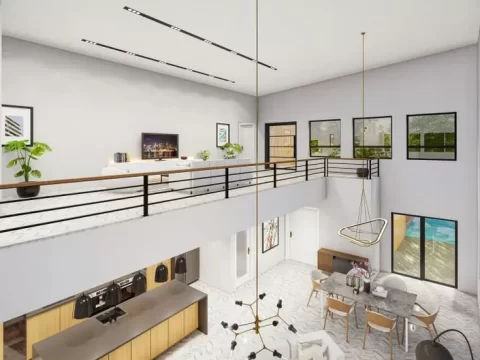
Kitchen cabinets made from plywood with water-resistant Melamine or Laminate finishes are highly popular. Its layered structure provides good load-bearing capacity, helping prevent the panels from sagging when holding heavy kitchenware. In addition, wall-mounted decorative shelves made from plywood create a light, elegant look while making efficient use of space.
2. Beds and Built-in Wardrobes
Plywood’s strong screw-holding capability makes it a leading choice for constructing platform beds and smart beds. Floor-to-ceiling wardrobes made from plywood maximize storage space while maintaining a sleek, smooth, and modern appearance.
3. Tables, Chairs, and Room Dividers
Unlike solid wood, high-quality plywood can be bent to create uniquely designed tables and chairs. In addition, aesthetically designed CNC-cut plywood partitions help divide living spaces creatively while maintaining an open and airy feel.
A Practical Assessment: How Durable Is Plywood for Interior Applications?
Many consumers worry that engineered wood can be easily damaged by moisture or strong impacts. However, the durability of finished plywood largely depends on the quality of its core material and the manufacturing technology used.
High-quality plywood offers excellent resistance to warping and shrinkage compared with solid wood. Thanks to its cross-grained structure, internal stresses are distributed more evenly, helping the panels maintain their shape as ambient temperatures change. When specialized moisture-resistant plywood is used with WBP or MR adhesives, furniture can last 10 to 15 years or even longer if properly maintained in a dry residential environment.
Advantages and Limitations of Plywood Compared with Natural Wood
For a more objective assessment before making a decision, consider the following detailed comparison:
Advantages: Plywood is considerably less expensive than solid natural wood. Its lightweight structure reduces the load on buildings and makes transportation and installation easier. Its wide, uniform panels also allow large furniture components to be manufactured without complicated joining.
Limitations: Plywood is less suitable for intricate, traditional decorative carving than natural wood. If low-quality adhesives are used or the edges are not properly sealed during installation, water can penetrate the panels and cause delamination. Therefore, choosing a reputable manufacturer is extremely important.
Tips for Keeping Plywood Furniture Beautiful and Durable Over Time
To maximize the lifespan of plywood furniture in your home, consider following these important maintenance tips:
Avoid placing furniture in areas exposed to intense direct sunlight or locations that are frequently flooded. Use PVC edge banding to seal the edges of plywood panels and prevent moisture from penetrating the core material. Clean the surfaces regularly with a dry, soft cloth or a damp cloth that has been thoroughly wrung out, and avoid allowing water to accumulate on the surface.
Elevate Your Living Space with Optimized Plywood Solutions
Using plywood in interior construction not only helps reduce costs but also brings a modern, sophisticated aesthetic to your home. Its versatility and impressive durability have established plywood as a material for the future. Choose a reputable supplier that provides plywood meeting relevant quality standards to ensure the safety, durability, and long-term quality of your project.